
Melasma Treatment: Why Those Brown Patches Keep Coming Back
Have you noticed brownish patches on your cheeks, forehead or upper lip that seem to get darker every summer? Maybe you tried a cream that lightened them for a few weeks, only to watch them slowly return. If this sounds familiar, you are not alone, and you have probably wondered whether melasma treatment can actually help.
Melasma is one of the most common reasons people visit a dermatologist for pigmentation, especially in India. It is also one of the most misunderstood skin concerns. Many people treat it like an ordinary dark spot, reach for strong creams from the chemist and end up with skin that is darker or more sensitive than before.
This guide explains what melasma is, why it behaves the way it does and what a sensible melasma treatment plan generally looks like. It is not a substitute for a consultation, but it will help you understand your skin better, ask the right questions and avoid the mistakes that make melasma harder to manage.
What Is Melasma?
Melasma is a common skin condition that causes flat, brown to greyish-brown patches, usually on the face. The patches often appear on both sides of the face in a fairly symmetrical pattern, most commonly on the cheeks, forehead, bridge of the nose, upper lip and chin.
It develops when the pigment-producing cells in your skin, called melanocytes, become overactive and produce more melanin than needed in certain areas. Melasma is not contagious, it is not skin cancer and it does not usually cause pain or itching. However, because it is so visible on the face, it can affect confidence and how people feel about their skin.
According to the American Academy of Dermatology, melasma is far more common in women and in people with medium to darker skin tones. It often first appears during pregnancy or after starting birth control pills. Read the dermatology overview on melasma.
Medical terms worth knowing: epidermal, dermal and mixed melasma. These terms describe how deep the extra pigment sits within the skin. Depth is one of the reasons melasma responds differently from one person to another.
Melasma or Just a Dark Spot? How to Tell the Difference
Not every brown patch on the face is melasma. Several pigmentation concerns can look similar, but they are not all managed in the same way. This is why a proper diagnosis should always come before any melasma treatment.

Melasma
Usually appears as larger, blotchy patches with irregular edges on both sides of the face. It tends to darken with sun and heat and may look slightly lighter in cooler months.
Post-Inflammatory Pigmentation
These are dark marks left behind after a pimple, rash, burn or injury heals. They follow the area where the inflammation occurred, as seen with post-acne pigmentation.
Sun Spots and Freckles
Sun spots are usually smaller, well-defined spots on sun-exposed skin. Freckles are tiny, often inherited spots that may become more noticeable after time in the sun.
Some people have more than one type of pigmentation at the same time, along with a generally uneven skin tone. A dermatologist may examine your skin closely, sometimes with a Wood’s lamp or a dermoscope, to understand what is going on before suggesting a plan.
What Triggers Melasma?
There is rarely one single cause. Melasma usually develops when several factors work together, and researchers are still learning how they interact. Common triggers and contributing factors include:
- Sun exposure, which is considered the most important trigger
- Visible light, such as bright daylight, which may also play a role in pigment-prone skin
- Hormonal changes, including pregnancy and hormonal contraceptives
- Family history, as melasma often runs in families
- Heat, for example long hours in hot kitchens or humid weather
- Skin irritation from harsh products, scrubbing or unsuitable treatments
- Certain medicines that make the skin more sensitive to light
Because more than one trigger is often involved, melasma tends to be a long-term condition. Lightening the pigment without addressing these triggers is one of the main reasons melasma treatment results may not last. If your dark patches keep returning, you may also find this guide helpful: why pigmentation keeps coming back.
Why Is Melasma So Common in Indian Skin?
Indian skin generally has more active melanocytes. This offers some natural protection against sun damage, but it also means the skin can respond to triggers by producing pigment more readily.
Add strong sunshine for most of the year, heat, humidity and city pollution, and it becomes easier to understand why melasma is such a frequent concern for people in Mumbai. You can read more about how the environment affects pigment in our article on pollution and pigmentation.
This sensitivity also matters during melasma treatment. Treatments that cause too much irritation or heat can trigger post-inflammatory hyperpigmentation, which may leave the skin darker than before. This is why a gentle, step-by-step approach is usually preferred for darker skin tones.
A 2023 expert consensus published in the Journal of the American Academy of Dermatology focused on melasma in skin of colour. It described a flexible approach that includes both a treatment phase and a maintenance phase, and noted that some treatments can cause unwanted side effects in darker skin. Read the published recommendations.
How Does Melasma Treatment Work?
There is no single treatment that works for everyone. Most dermatologists approach melasma treatment as a combination plan that is adjusted over time, depending on the type of melasma, your skin type, your triggers and how your skin responds.
A 2024 review in the Journal of Clinical Medicine described how management usually begins by addressing risk factors and following strict UV protection, before adding options such as topical treatments, chemical peels, lasers, microneedling or oral therapy where suitable. Explore the review.
1. Sun Protection Is the Foundation
Every melasma treatment plan starts here. Without consistent sun protection, other treatments may struggle to show lasting results. This usually means daily broad-spectrum sunscreen, reapplying it when you are outdoors and using physical protection such as hats, umbrellas and shade.
Research also suggests that visible light may contribute to melasma relapse. A 2025 randomised study found that a tinted sunscreen offering visible light protection gave better results than an untinted sunscreen in women with melasma during the summer months. Your dermatologist can tell you whether a tinted formula suits your skin. Read the sunscreen study.
If you are not sure you are using sunscreen correctly, these common sunscreen mistakes are worth checking.
2. Prescription Topical Treatments
Dermatologists may prescribe creams or gels that help reduce pigment production or support healthy skin renewal. The choice of ingredient, strength and duration depends on your skin and is usually reviewed at follow-up visits.
Some of these ingredients work well but need medical supervision. Using them for too long, too often or on the wrong skin type can cause irritation and other side effects. This is why copying someone else’s prescription is never a good idea, even if their melasma looks similar to yours.
3. In-Clinic Procedures
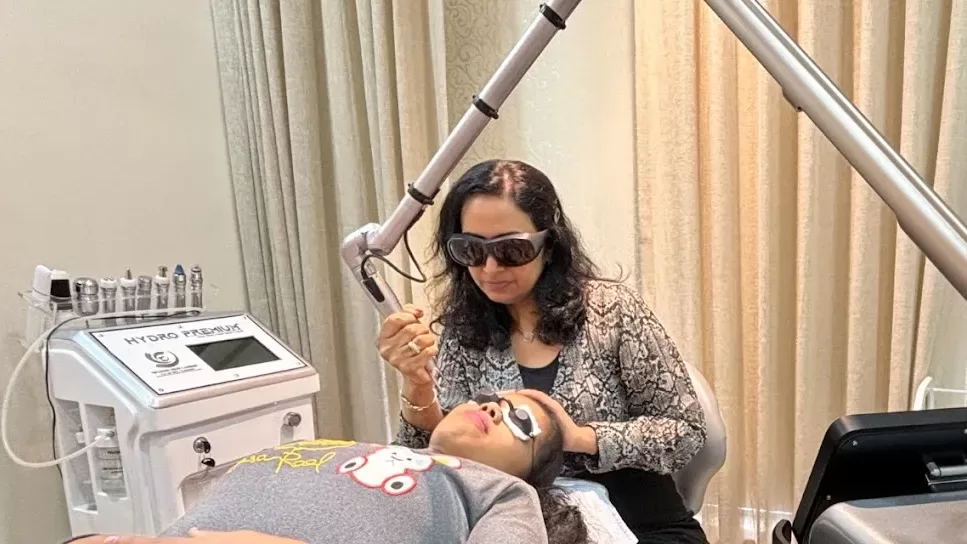
For selected patients, procedures such as chemical peels, carefully planned laser treatments such as pico laser or microneedling-based treatments may be added to the plan. These are generally used alongside sun protection and topical care as part of a wider melasma treatment plan, not as a replacement for them.
With melasma, gentler is often smarter. Mayo Clinic explains that heat from some light-based treatments is thought to worsen melasma, and that pigment can return fairly quickly after them. The settings, the number of sessions and the gap between them should be decided by a qualified dermatologist. Read Mayo Clinic’s perspective.
4. Oral Medicines in Selected Cases
In some situations, a dermatologist may consider oral medicines as part of melasma treatment. These are prescribed only after reviewing your overall health and medical history, because they are not suitable for everyone.
5. Maintenance After Improvement
Once the patches lighten, the work is not over. Most plans move into a maintenance phase that includes continued sun protection, a gentle skincare routine and occasional follow-up visits. Maintenance helps protect the results of your melasma treatment and reduce the chances of the pigment coming back.
Daily Habits That Support Your Melasma Treatment
What you do at home every day can matter as much as what happens in the clinic. These simple habits can help your melasma treatment work better and protect the results you achieve:
- Apply sunscreen every morning, even if you are staying indoors for most of the day
- Reapply sunscreen when you step out, sweat heavily or wipe your face
- Carry an umbrella, cap or wide-brimmed hat during peak sun hours
- Use a gentle cleanser and a moisturiser that suits your skin type
- Introduce new skincare products one at a time and stop anything that stings or burns
- Avoid sitting close to direct heat for long periods whenever you can
- Keep your follow-up appointments, even when your skin looks better
None of these habits will remove melasma by themselves, but together they create the right environment for your skin to respond to treatment. Small, consistent steps usually make a bigger difference than an occasional intensive routine.
Can Melasma Be Cured Permanently?
Here is the honest answer that many people do not hear: melasma can usually be improved and managed, but it cannot be permanently cured. Treatment can lighten the patches, yet melasma often returns when the skin is exposed to the sun without protection.
Some people notice that melasma fades after pregnancy or after a hormonal trigger is stopped. For others, it can stay for years and needs long-term care. Results also vary depending on how deep the pigment sits in the skin.
It helps to think of melasma as a tendency rather than a one-time problem. With the right plan, many people keep their patches lighter and more even, but consistency matters far more than any single session. The American Academy of Dermatology also reminds patients that melasma treatment takes time to work. See the AAD’s tips for managing melasma.
7 Melasma Treatment Mistakes That Can Make It Worse
Many people come to the clinic after months of trying to fix melasma on their own. These are some of the most common mistakes we see:
- Using steroid-containing “fairness” or pigmentation creams from the chemist without a prescription
- Applying lemon juice, toothpaste, bleach or other harsh home remedies to the patches
- Scrubbing or over-exfoliating the pigmented areas
- Choosing aggressive laser or peel sessions at non-medical salons
- Skipping sunscreen on cloudy days or while sitting near a sunny window
- Stopping treatment and sun protection as soon as the patches fade
- Following a friend’s routine without knowing your own type of melasma
The first point deserves special attention. A multicentre study from India, published in the Indian Journal of Dermatology, Venereology and Leprology, found that misuse of topical steroids on the face was common among dermatology patients, often as fairness creams. Such misuse can lead to redness, burning, acne-like breakouts, unwanted facial hair and skin that flares whenever the cream is stopped. Read the study on topical steroid misuse.
Harsh scrubbing and over-exfoliation can also weaken the skin barrier, which may increase inflammation. If your skin often feels tight or stings after skincare, find out whether your skin barrier is damaged.
Melasma Treatment During Pregnancy and Breastfeeding
Melasma is so common during pregnancy that it is sometimes called the “mask of pregnancy.” In some women, it fades on its own after delivery, while in others it stays.
Many melasma treatment options, including certain creams and procedures, may not be suitable during pregnancy or breastfeeding. During this time, gentle skincare and sun protection are usually the focus. Speak to your dermatologist and gynaecologist before starting or continuing any treatment.
When Should You See a Dermatologist?
It is a good idea to book an appointment if:
- You have new brown or grey patches and are not sure what they are
- Your pigmentation has not improved despite consistent sun protection
- A patch is raised, changing quickly, uneven in colour or bleeding
- You have been using a cream without knowing what it contains
- Your skin has become red, thin, itchy or sensitive after a pigmentation product
- You are planning a procedure and want to know whether it suits your skin
Any spot that changes in size, shape or colour should be checked promptly, because not every dark patch is melasma.
What to Expect at a Melasma Treatment Consultation
If you have never seen a dermatologist for pigmentation before, it is natural to feel unsure about what happens during the first visit. A melasma treatment consultation is usually a conversation and an examination, not an immediate procedure. It may include:
- A discussion of when the patches first appeared and what makes them darker
- Questions about pregnancy, hormonal medicines, thyroid concerns and family history
- A review of the creams, serums and home remedies you have already tried
- A close examination of your skin to confirm the diagnosis and assess the pigment
- A clear explanation of the options, expected timelines and possible side effects
It helps to bring a list or photos of the products you currently use. Being open about everything you have applied, including creams bought without a prescription, allows your dermatologist to plan a safer melasma treatment for your skin. If this will be your first appointment, our guide to your first dermatologist visit can help you prepare.
Frequently Asked Questions About Melasma Treatment
How long does melasma treatment take to show results?
It varies from person to person. Melasma usually improves gradually over weeks to months rather than days. Your dermatologist will review your progress and adjust the plan during follow-up visits.
Can men get melasma?
Yes. Melasma is more common in women, but men can develop it too, particularly with regular sun exposure or a family history of the condition.
Is laser the best melasma treatment?
Not necessarily. Lasers can help some people when used carefully as part of a combination plan, but they are not the first or only answer. For many people, sun protection and prescribed topical care remain the core of melasma treatment.
Will melasma go away on its own?
Sometimes. Melasma linked to pregnancy or hormonal medicines may fade once the trigger is removed. In many people, however, it persists and needs ongoing care.
Can I wear makeup if I have melasma?
In most cases, yes. Non-irritating makeup can help camouflage the patches while treatment takes effect. Remove it gently at the end of the day and avoid rubbing the area.
Summary
Melasma can be frustrating, but it is manageable with patience and the right guidance. Instead of chasing quick fixes, focus on a plan that suits your skin, your triggers and your lifestyle. A dermatologist can help you understand your type of melasma and decide which melasma treatment is genuinely appropriate for you.
Looking for personalised pigmentation treatment in Powai? Visit Dr. Reshma Ahuja’s Skin, Hair and Laser Clinic to discuss your melasma concerns and explore suitable treatment options.

Leave a Reply
You must be logged in to post a comment.