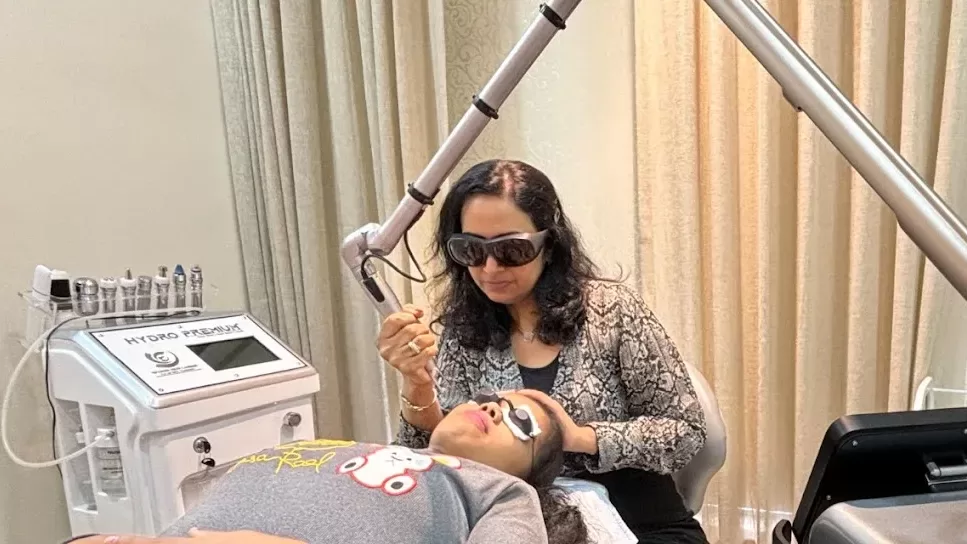
Dermal Fillers for Face help to restore volume and refresh your appearance naturally
There is a specific moment many people describe in their thirties and forties when they look in the mirror after a long week and notice something has shifted. Not one dramatic change, but a quiet accumulation of small ones. A hollowness under the eyes that makes them look tired even after a full night of sleep. Lines alongside the mouth that were not there a few years ago. Cheeks that have lost a little of the fullness that used to be there. A general impression of looking slightly more drawn, more fatigued, more aged than you actually feel. You look fine. But you no longer look quite like yourself.
This is not about vanity. It is about understanding something that happens to every face over time, and knowing that there are safe, well-established, non-surgical options that address it. Dermal fillers for the face are one of the most commonly performed cosmetic procedures in the world precisely because they work, they are reversible, and when performed by an experienced dermatologist, the results look natural rather than altered. They do not freeze the face or change who you are. They restore what time has quietly taken.
This blog explains what dermal fillers for the face actually are, why facial volume loss happens in the first place, which areas they address most effectively, what the treatment experience involves, and why the choice of dermatologist matters as much as the filler itself.
Three Things Dermal Fillers for the Face Can Do That Nothing Else Can

Restore Volume That Skincare Alone Cannot Replace
Creams, serums, and sunscreen can maintain and protect the skin surface. But they cannot restore volume that has been lost from within the facial structure. Dermal fillers place material directly where volume has been lost, lifting and supporting the skin from the inside rather than working on the surface above it. This is the fundamental reason fillers produce results that no topical product can replicate.
Deliver Natural-Looking Results Without Surgery or Downtime
A filler session with an experienced dermatologist takes between thirty and sixty minutes. There is no general anaesthesia, no incisions, no recovery period that removes you from your daily life. Most people return to work and social activity the same day. The results appear immediately, settle fully over one to two weeks, and when performed with the right technique and the right volume, look like a rested, refreshed version of you rather than something visibly different.
Offer a Reversible, Adjustable Treatment That Evolves With Your Face
The most widely used dermal fillers are made from hyaluronic acid, a substance that occurs naturally in the body, and are fully dissolvable if needed. This reversibility sets them apart from permanent or semi-permanent options and gives both patient and dermatologist the freedom to adjust results, correct minor asymmetries, or change approach as the face continues to evolve with age.
Why Your Face Loses Volume Over Time
The changes people notice in their face as they age are not primarily about the skin surface. They are about what is happening beneath it. Starting in the mid-twenties, collagen production in the skin begins to decline at a rate of roughly one percent per year. Collagen is the structural protein that gives skin its firmness and the face its shape and support. As it reduces, the skin gradually loses the scaffolding that held it in place, and what used to be lifted starts to soften downward.
Alongside this, the fat pads that give the cheeks, temples, and under-eye area their youthful fullness gradually reduce and descend. This is facial volume loss, and it is responsible for the hollowness under the eyes, the flattening of the mid-face, and the deepening of the lines that run from the nose to the mouth. The bone structure of the face also changes with age, with subtle resorption of bone in the jawline, chin, and orbital area that further reduces the structural support for the soft tissue above it.
The result of all of these simultaneous changes is a face that begins to look tired, drawn, or older than the person inhabiting it actually feels. And because these changes are structural rather than surface level, they are also the reason topical skincare, however excellent, can only do so much. Skincare addresses the surface. Dermal fillers for the face address the structure beneath it.
Which Areas of the Face Fillers Address Most Effectively
Dermal fillers are not a one-size-fits-all solution applied the same way to every face. An experienced dermatologist assesses each patient’s facial anatomy individually and places filler specifically where the structural deficit is, in the amounts that restore proportion without overcorrecting. The most common treatment areas and what each achieves are as follows.
What a Dermal Filler Session Actually Involves
Most people’s anxiety about any injectable procedure comes from not knowing what to expect. The reality of a dermal filler session with a qualified dermatologist is more straightforward than most people anticipate.
- The session begins with a consultation during which the dermatologist assesses your facial anatomy, discusses your concerns and goals, and explains exactly which areas would benefit, how much filler is appropriate, and what realistic results look like for your specific face. A good consultation should feel like a conversation rather than a sales interaction, and you should leave it with a clear plan you feel comfortable with rather than a list of treatments you were not expecting.
- A topical numbing cream is applied to the treatment area and left for fifteen to twenty minutes before the injections begin. Most hyaluronic acid fillers also contain lidocaine within the formula, which further reduces discomfort during the procedure. Most patients describe the sensation as pressure and occasional mild stinging rather than pain.
- The filler is placed using either a fine needle or a blunt-tipped cannula depending on the area being treated and the dermatologist’s technique preference. The cannula method is increasingly favoured in skilled hands because it reduces bruising, allows more precise product placement, and is particularly appropriate for sensitive areas like the tear trough and lips.
- After the procedure, mild swelling and occasionally light bruising in the treated areas is normal and typically resolves within three to seven days. The final result is visible once this settling period is complete. Most people return to their regular routine the same day. Avoiding intense exercise, direct sun exposure, and alcohol for twenty-four to forty-eight hours helps minimise swelling and allows the filler to settle optimally.
Why the Dermatologist’s Experience Matters More Than the Filler Brand
The results of dermal filler treatment are determined far more by the skill, judgment, and anatomical knowledge of the person performing it than by the specific brand or product used. This is a field where the same material placed with different techniques, in different volumes, and in slightly different anatomical positions produces results that range from completely natural to obviously altered. Understanding what distinguishes a skilled, conservative approach from an aggressive or poorly judged one is important before any patient makes a booking decision.
A skilled injector treats the face as a whole rather than addressing individual complaints in isolation. They assess how each area relates to the others, recommend volume amounts that restore proportion rather than add excess, and take a conservative approach on first treatments with the understanding that results can always be built upon rather than needing to be corrected. They also have a clear understanding of the specific anatomical considerations for Indian facial structure and skin characteristics, which differ from the population on which much of the international filler training literature is based.
Dr. Reshma Ahuja brings over 26 years of clinical dermatology experience to every filler consultation, with a particular emphasis on natural, proportionate outcomes that respect the individual patient’s facial anatomy and aesthetic. Her approach is built on an honest assessment of what each patient’s face specifically needs, a conservative volume philosophy, and a commitment to results that look like the best version of the patient rather than a departure from them. Consultations are personalised, unhurried, and designed to answer every question before any treatment is agreed upon.
Summary
If you have been noticing changes in your face that you cannot address with skincare alone, or simply want to understand what dermal fillers could realistically offer for your specific concerns, the right starting point is a consultation rather than a commitment. Dr. Reshma Ahuja offers personalised filler consultations at the Skin and Hair Clinic, Hiranandani Gardens, Powai, where each patient’s facial anatomy and individual goals are assessed before any treatment is planned. The goal is always the same: to help you look like the best, most rested version of yourself, not a different person. To book a consultation, visit our clinic page or get in touch directly at +91 9820281901. Your skin deserves an approach as individual as your face.