
Dark Lips: Why Your Lips Look Darker and What You Can Do
Do you feel your lips look darker than they used to? Maybe they look dull even after a lip balm, or your lipstick no longer looks the way it should. Dark lips are one of the most common cosmetic concerns people quietly worry about, and with the wedding season and dry winter weather around the corner, many people start noticing them more.
The good news is that dark lips are usually harmless. The less talked-about part is that they rarely have one single cause. Sun, dryness, habits like lip licking, smoking and even your lipstick or toothpaste can all play a role.
In this guide, we look at what makes lips darker, which causes are common, what treatment options generally involve and which home remedies may do more harm than good. Understanding the cause is the first step towards caring for your lips the right way.
What Makes Lips Look Dark?
The skin on your lips is thinner and more delicate than the skin on your face. It has no oil glands and a much weaker protective barrier, which is why lips dry out quickly and react easily to the sun, weather and products.
Lip colour comes from a mix of natural pigment and the blood vessels visible beneath the thin skin. When pigment cells produce more melanin than usual, or when the lip surface becomes dry, rough or inflamed again and again, the lips can start to look darker or uneven.
Medical terms worth knowing: lip hyperpigmentation and pigmented contact cheilitis. The first simply means darkening of the lips. The second describes darkening caused by a reaction to something that touches the lips, such as a lip product.
Are Dark Lips Always a Problem?
Not at all. Many people naturally have darker or two-toned lips, and in Indian skin it is common for the upper lip to look a little darker than the lower lip. Natural lip colour is not a condition that needs fixing.
Dark lips become worth looking into when the colour changes noticeably over time, when the lips are also dry, peeling or itchy, or when you notice a new spot. A review in the International Journal of Dermatology notes that lip darkening is common and that doctors consider the pattern, the age at which it began and any related symptoms when working out its cause. Read the published review.
7 Common Causes of Dark Lips
In most people, more than one of these factors is involved. Identifying them is far more useful than trying product after product.
1. Sun Exposure
Lips are often forgotten when applying sunscreen, yet they are exposed to the sun every day. Over time, this can encourage pigment production and make the lips look darker and drier. The American Academy of Dermatology recommends a non-irritating lip balm with SPF 30 or higher before going outdoors, even in winter. Read the dermatologists’ lip care tips.
2. Lip Licking and Constant Dryness
Licking dry lips feels like it helps, but saliva evaporates quickly and leaves them drier. Repeated dryness and irritation can make lips look rough and darker. A study of patients referred to a contact dermatitis clinic found that irritation, frequently from lip licking, was the most common cause of inflamed lips. Explore the clinical findings.
3. Smoking
Smoking is a well-known cause of dark lips. Substances in tobacco smoke can stimulate pigment cells in the lips and gums, a pattern known as smoker’s melanosis. Reports suggest it is fairly common among smokers and tends to be more noticeable with heavier smoking. Read more on smoking and lip pigmentation. An Indian study also found lip and gum pigmentation significantly more often in smokers than in non-smokers. See the Indian study.
4. Reactions to Lipstick, Lip Balm or Toothpaste
Sometimes the product meant to improve your lips is part of the problem. Ingredients such as fragrances, flavourings and colours in lipsticks, lip balms and toothpaste can irritate the lips or cause an allergic reaction. In some people, this leads to darkening that remains even after the redness settles. Toothpaste is a recognised cause of lip reactions too. Learn more about toothpaste reactions.
5. Genetics and Natural Skin Tone
Your natural lip colour is largely inherited. People with medium to deeper skin tones often have more pigment in their lips, and this is completely normal. In these cases, protecting the lips and keeping them healthy matters more than trying to change their natural shade.
6. Hormonal Changes
Hormonal changes, such as those during pregnancy, can affect pigmentation in different parts of the body, including the area around the mouth. If you have patches on your cheeks or upper lip area as well, our guide to melasma treatment explains a related pigment condition.
7. Certain Medicines and Health Conditions
Some medicines can cause pigmentation of the lips or the inside of the mouth as a side effect. Rarely, darkening of the lips can also be linked to an underlying medical condition. This is why sudden or unexplained changes in lip colour should be checked by a doctor rather than treated with cosmetic products.
Why Are Dark Lips So Common in Indian Skin?
Indian skin generally contains more melanin and has pigment cells that respond quickly to triggers. This gives some natural protection from the sun, but it also means the skin, including the lips, can darken more easily after sun exposure, friction or irritation.
Strong sunshine for most of the year, long commutes, air-conditioned offices and humid or dusty weather all add to the strain on delicate lip skin. In darker skin tones, even mild inflammation can leave behind darker areas once it settles, a process known as post-inflammatory hyperpigmentation.
This is why gentle care matters so much. Treating dark lips with harsh scrubs or strong products may lighten them briefly but can leave them darker in the long run. If pigment on your face keeps returning too, this guide on why pigmentation keeps coming back may help.
Why Dark Lips Often Look Worse in Winter
Cooler, drier air pulls moisture from the lips. Dry lips crack and peel more easily, and people tend to lick them more often. This cycle of dryness and irritation can make dark lips look duller and more uneven during the colder months.
The sun does not take a break in winter either, and sun can burn chapped lips more easily. Pairing a nourishing balm with sun protection is one of the simplest things you can do. For the rest of your skin, these winter skin care tips can also help.
Long hours in air-conditioned rooms, fans blowing directly on your face and frequent travel can have a similar drying effect at any time of the year. So, while winter often makes the problem more noticeable, lip care is really an everyday habit rather than a seasonal one. Keeping a balm at your desk, in your bag and by your bed makes it far easier to stay consistent.
How Are Dark Lips Treated?
Treatment for dark lips depends entirely on the cause. Lips with pigment from sun exposure, a product reaction or smoking are approached very differently, which is why a dermatologist usually starts by understanding your habits and examining your lips.

Gentle Lip Care
Repairing dryness, protecting from the sun and removing triggers such as irritating products or lip licking often form the base of any plan.
Prescription Topicals
In selected cases, a dermatologist may prescribe a cream suited to the delicate lip skin. These need supervision, as lips can get irritated easily.
In-Clinic Procedures
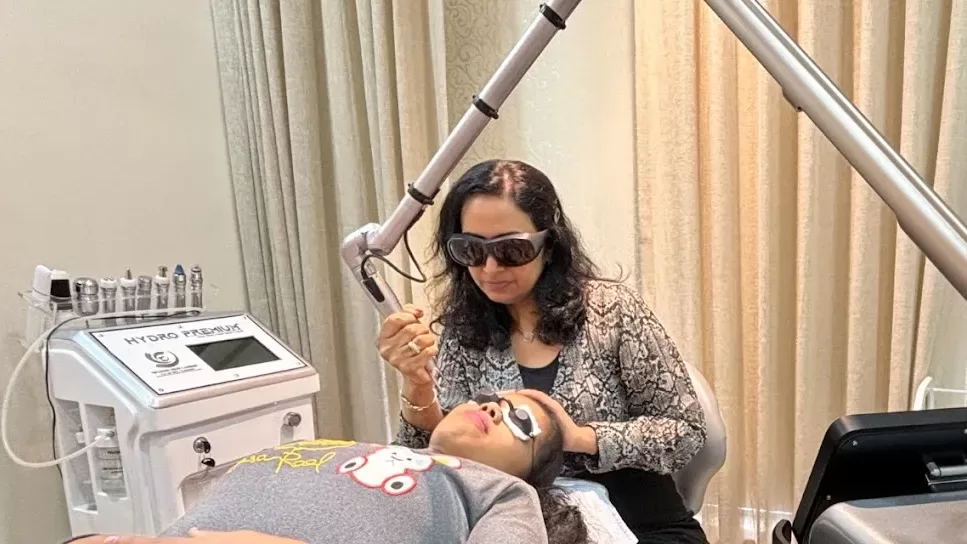
For some people, carefully chosen procedures such as certain lasers may be considered. Lip skin is sensitive, so these should only be done by a qualified dermatologist.
Remember, no treatment can work well if the trigger continues. If smoking, sun exposure or an irritating lip product is behind your dark lips, addressing that comes first. Studies suggest smoking-related pigmentation may lighten gradually after cutting down or quitting, although how much it improves varies from person to person.
If you also have pigmentation on other parts of your face, a dermatologist can look at your skin as a whole. You can read more about our approach to pigmentation treatment.
Home Remedies for Dark Lips: What to Be Careful About
The internet is full of quick fixes for dark lips. Some are harmless, but others can irritate the thin lip skin and make the problem worse. Be careful with:
- Lemon juice, which is acidic and can sting, dry out or irritate the lips
- Harsh sugar or coffee scrubs used several times a week
- Toothpaste or baking soda applied directly to the lips
- Skin-lightening or “fairness” creams not made for lips
- Steroid-containing creams used without a prescription
- Strongly flavoured or tingling lip products that leave the lips burning
Irritated skin often responds by producing more pigment, especially in Indian skin. Gentle care is almost always better than aggressive care. If you want to understand how irritation affects your skin, read about skin barrier repair.
How to Choose the Right Lip Products
The products you use every day can either protect your lips or keep irritating them. When choosing a lip balm or lipstick, it helps to keep a few simple points in mind:
- Choose a balm with SPF 30 or higher for daytime, ideally with zinc oxide or titanium dioxide
- For very dry lips, a thick ointment such as white petroleum jelly seals in moisture well
- Prefer fragrance-free and flavour-free products if your lips are sensitive
- Be cautious with products that tingle, cool or burn, such as those with menthol or camphor
- Check expiry dates and discard old lipsticks and balms
- Try a new lip product on a small area first and stop if your lips feel itchy or sore
If you are not sure whether your sunscreen habits are working, these common sunscreen mistakes apply to your lips as well. A product does not need to be expensive to work; it needs to suit your lips and be used consistently.
Daily Habits That Help Prevent Dark Lips
A few small habits can protect your lips and keep them looking healthier over time:
- Apply a lip balm with SPF before stepping outdoors and reapply through the day
- Use a plain, fragrance-free balm or ointment before bed if your lips feel dry
- Try not to lick, bite or peel your lips
- Remove lipstick gently at night instead of rubbing hard
- Notice whether a new lipstick, balm or toothpaste leaves your lips dry or itchy
- Drink enough water, especially in dry weather or air-conditioned rooms
- Avoid smoking, which affects your lips, gums and overall health
Many of these steps are simple, but consistency is what makes them work. Lips renew themselves, and protecting them every day gives them the best chance to stay healthy. If you notice that a particular habit or product keeps leaving your lips dry, make a note of it and mention it at your next skin consultation.
Planning Lip Treatment Before a Wedding?
Many brides and grooms start worrying about dark lips a few weeks before the big day. Lip pigmentation usually improves gradually, so it is better to start early rather than try something new right before the event.
Avoid testing new lip products, scrubs or procedures in the final days, because an unexpected reaction can leave your lips dry, swollen or darker. Starting your skin preparation well in advance gives you time to see what suits you. Our guides to bridal skincare and a groom skincare routine can help you plan.
When Should You See a Dermatologist About Dark Lips?
It is a good idea to get your lips checked if you notice:
- A new dark spot on the lip that is growing, raised or irregular in shape
- A spot that bleeds, crusts or does not heal
- Darkening that appeared suddenly or after starting a new medicine
- Dark patches inside the mouth or on the gums along with the lips
- Lips that stay dry, itchy, swollen or peeling despite good care
- Darkening along with other symptoms, such as unusual tiredness or weight loss
Most cases of dark lips are harmless, but any new or changing spot should be examined promptly. The AAD also advises seeing a dermatologist if dry, chapped lips do not improve after two to three weeks of proper care.
What to Expect at a Consultation for Dark Lips
A visit for dark lips is usually a conversation and a careful examination rather than an immediate procedure. Your dermatologist may:
- Ask when you first noticed the darkening and whether it has changed
- Ask about smoking, lip licking and your sun exposure
- Review the lip balms, lipsticks and toothpaste you use
- Ask about medicines, hormonal changes and any other health concerns
- Examine your lips, the inside of your mouth and the skin around them
- Explain whether any tests are needed and which options may suit you
It helps to bring the lip products you use regularly, or photos of their labels. If this will be your first visit to a skin specialist, our guide to your first dermatologist visit can help you prepare.
Frequently Asked Questions About Dark Lips
Can dark lips become pink again?
It depends on the cause. Darkening from dryness, irritation, sun or a product reaction may improve once the trigger is managed. Natural lip colour, however, is largely genetic and is not something that needs to change.
Does lip balm help dark lips?
A good lip balm keeps lips moisturised and, if it contains SPF, protects them from the sun. This can help prevent dark lips from getting worse. It will not remove pigment on its own, but it is an important part of everyday care.
Is it safe to exfoliate dark lips?
Very gentle exfoliation now and then is usually fine for flaky lips. Scrubbing hard or too often can irritate the lips and may make dark lips look worse.
Do dark lips mean something is wrong with my health?
In most people, no. Dark lips are usually linked to natural pigment, sun, dryness, smoking or products. Rarely, they can be related to a medicine or a medical condition, so sudden changes are worth discussing with a doctor.
Can men have dark lips?
Yes. Dark lips affect men and women alike, and smoking and sun exposure are common contributing factors.
Summary
Your lips need the same care and protection as the rest of your skin, perhaps even more. Instead of chasing quick fixes, focus on protecting them, avoiding triggers and understanding why they have darkened. A dermatologist can help you work out the cause of your dark lips and decide what is genuinely suitable for you.
Looking for personalised skin care in Powai? Visit Dr. Reshma Ahuja’s Skin, Hair and Laser Clinic to discuss your lip and skin concerns and explore suitable treatment options.

Leave a Reply
You must be logged in to post a comment.