Why is your hair thinning near the partition and what should you do about it
It usually starts the same way. You are standing in front of the mirror, running a comb through your hair before stepping out. And something catches your eye. The white line of your partition looks wider than it did a few months ago. You tilt your head, part your hair more carefully, and your stomach drops a little. The scalp is visible. The hair on either side of that line looks thin and sparse in a way it never used to.
Hair thinning near the partition is one of the most common concerns that women bring to a dermatologist’s clinic. It is also one of the most misunderstood because the parting zone thins for several very different reasons, and the solution depends entirely on knowing which one is actually happening to you. Using the wrong approach means wasting months on treatments that were never going to work.
This blog breaks it all down clearly. By the end, you will know why hair thinning near the partition happens, what your specific pattern is telling you, what to stop doing immediately, and what a dermatologist would actually recommend. Let us get into it.
Three Reasons the Partition Zone Thins Before Anywhere Else

The Follicles in That Zone Are Genetically Sensitive
The crown and partition zone carries follicles that are more sensitive to hormonal signals than follicles at the sides and back. When hormone-driven thinning begins, it almost always shows up here first. That is why women notice a widening parting long before they notice thinning anywhere else.
Hair Is Shedding Faster Than It Is Growing Back
When the body sheds hair faster than follicles can complete the growth cycle, overall density drops everywhere. But the partition exposes the scalp surface directly to your eye, so reduced density shows up there first and most dramatically. It is not that the partition lost more hair. It is just where you see it soonest.
The Parting Line Is Under Daily Physical Stress
If you part your hair in the same place every single day and pull it into the same tight style each time, the follicles along that line take consistent tension and sun exposure. Over months and years, this physical stress alone is enough to cause real and visible thinning precisely along the partition.
When Genetics Is Behind the Hair Thinning Near the Partition
The most common reason a woman’s parting gets wider over time is androgenetic alopecia, which is genetic hair thinning that runs in families. In men, this shows up as a receding hairline and bald patch. In women, it looks completely different. There is usually no obvious bald patch. Instead, the parting gradually widens, the crown looks thinner, and the hair overall starts to feel lighter and less dense over years.
The process driving this is called follicle miniaturization, and it is driven by a hormone called dihydrotestosterone (DHT). DHT binds to follicles in the crown and partition zone and slowly shrinks them over each hair growth cycle. Each new hair that grows back is a little thinner, a little shorter, and a little lighter in colour than the one before. Eventually, the follicle stops producing a visible strand altogether.
This is important to understand because follicle miniaturization is a progressive process. Every month that passes without treatment is a month more follicles have moved further down that path. This is not the type of hair thinning near the partition that resolves on its own or responds to oils and shampoos. It needs clinical intervention, and starting early genuinely makes a significant difference to the final outcome.
Look at the women in your family. If your mother, maternal grandmother, or aunts have thin hair or a wide parting, that pattern is a meaningful signal. Genetics does not guarantee the same outcome for you, but it does raise the likelihood and it changes how urgently you should act.
When a Sudden Event Causes the Partition to Look Wider
Not all hair thinning near the partition is genetic. Sometimes a wide parting appears relatively quickly, over a few months, after a specific trigger. This pattern is usually telogen effluvium, which is a condition where the body pushes a large number of hair follicles into the resting and shedding phase at the same time.
Common triggers include a prolonged illness, high fever, major surgery, severe emotional stress, childbirth, rapid weight loss, or crash dieting. The shedding usually begins two to three months after the trigger, which is why most people cannot connect what they are experiencing now to something that happened months ago. Because overall density drops across the whole scalp, the partition becomes the most obvious place where the thinning is visible.
The good news about telogen effluvium is that it is usually temporary. Once the trigger is removed and the body stabilises, hair typically regrows over six to twelve months. However, if the underlying cause is not addressed, the shedding continues and the partition keeps looking wider. Additionally, telogen effluvium can sometimes unmask underlying androgenetic alopecia that was already happening quietly in the background.
How Hormones Drive Hair Thinning Right at the Partition
Beyond genetics, two hormonal conditions cause hair thinning near the partition in women with remarkable consistency. Both are extremely common in India and both are frequently missed for years because the hair loss is the symptom people notice first while the underlying condition goes undiagnosed.
- Polycystic ovary syndrome (PCOS) elevates androgens in women, and these androgens affect the same hormone-sensitive follicles that DHT affects in genetic hair thinning. The result is very similar: a widening partition, thinning at the crown, and gradually lighter and finer hair in that zone. PCOS-related thinning near the partition is often accompanied by irregular periods, adult acne around the jaw, and increased body or facial hair. If these signs sound familiar, a hormonal blood panel is a necessary first step.
- Thyroid imbalance, particularly an underactive thyroid, causes diffuse thinning across the whole scalp that shows up most visibly at the partition. Thyroid-related hair loss tends to affect the entire scalp evenly rather than following a distinct pattern, but because the parting line exposes scalp to the eye so directly, that is typically where women first notice it. Fatigue, weight gain, cold intolerance, and dry skin alongside a widening partition are a strong combination that points toward thyroid testing.
Treating the hormonal condition is the only real solution here. Hair thinning driven by PCOS or thyroid imbalance does not respond to topical treatments alone while the hormonal imbalance continues unchecked underneath.
Low Ferritin: The Blood Test Most People Never Think to Get
Iron deficiency is one of the most frequently missed causes of hair thinning near the partition in Indian women. Not iron deficiency anaemia, which most doctors check for, but specifically low ferritin, which is the protein your body uses to store iron. Your haemoglobin can come back completely normal while your ferritin is dangerously low, and your doctor might not flag it unless they know to look specifically at ferritin levels.
Hair follicles rely on iron to complete their growth cycle. When stored iron runs low, the body quietly deprioritises hair production and diverts the iron to more critical organs. Follicles shift into the resting phase earlier than they should and shed hair ahead of schedule. Because the partition exposes a long strip of scalp to your direct line of vision, the density loss shows up there first and most strikingly.
Ask your doctor specifically for a serum ferritin test, not just a routine iron or CBC panel. This single test has changed the trajectory of hair thinning for countless women who had been spending money on serums and supplements that could not work because the real answer was sitting in their blood report all along.
How Your Daily Parting Habit Is Making the Thinning Worse
Even when the root cause is medical, your daily habits along the parting line can actively accelerate the damage. These are things most people do without a second thought, every single morning.
How to Identify Which Type of Thinning You Have
Use these clues to understand what is most likely driving your hair thinning near the partition. This helps you have a more informed conversation with a dermatologist and avoid spending money on the wrong solutions.
- If the thinning has been gradual over years, hair feels finer and lighter than it used to, and women in your family have similar hair, androgenetic alopecia is very likely. See a dermatologist and ask specifically about this. Waiting makes it harder to treat.
- If the widening parting happened relatively quickly, within two to four months, after a major stressor, illness, or childbirth, telogen effluvium is the most probable cause. Removing the trigger and supporting the body with proper nutrition is the first step.
- If you have irregular periods, jawline acne, or increased body hair alongside the thinning parting, get a hormonal blood panel including PCOS markers done. Managing the hormonal condition will make a bigger difference than any topical treatment.
- If you feel fatigued, have been dieting, or your periods are heavy, ask specifically for a serum ferritin test. Low ferritin alone can cause a widening parting and it is one of the most correctable causes once identified.
- If the thinning is mostly confined to the exact line of your daily parting and you have worn your hair pulled tightly from that point for years, traction alopecia needs to be considered. Changing your styling habits immediately is critical before it becomes permanent.
What to Stop Doing Right Now
Before adding anything new to your routine, stop doing the things that are actively slowing down any chance of recovery.
- Stop parting your hair in the exact same spot every single day. This one change alone reduces cumulative tension on those follicles significantly. Alternate sides, shift the line, or try a centre part for a few days when you usually do a side part.
- Stop going out in the sun without any scalp protection. Apply a lightweight SPF spray or sunscreen along your parting before stepping outdoors. The scalp burns and ages just like facial skin, and that damage accumulates invisibly over years.
- Stop assuming this will sort itself out. Hair thinning near the partition does not get better by waiting, except in clear-cut telogen effluvium cases where the trigger has already resolved. For every other cause, delay means more follicles are affected before treatment begins.
- Stop buying hair growth serums without knowing the cause first. A serum targeting DHT-driven loss will not help telogen effluvium. A supplement for iron deficiency will not fix traction alopecia. Identifying the cause before spending money on solutions is the most important step of all.
What Actually Helps When Hair Is Thinning Near the Partition
Once you understand the cause, the path forward becomes far more specific and far more effective. Here is what genuinely moves things in the right direction.
- Get a complete blood panel done. Ask specifically for serum ferritin, thyroid function including TSH and T3 and T4, vitamin D, vitamin B12, and a hormonal panel if PCOS is a concern. These results tell you far more about your hair than any scalp product ever will.
- Rotate your parting every single day without exception. This is free, takes five seconds, and directly reduces the physical stress on the follicles most at risk. It is one of the simplest habits with one of the most direct impacts on partition thinning.
- Eat protein at every meal. Hair is made of keratin, and keratin is a protein. Without adequate daily protein, the body simply does not have the raw material to grow hair properly. Dals, eggs, paneer, curd, chicken, fish, and sprouts are all excellent and accessible sources for Indian diets.
- Protect the parting from direct sun exposure every time you step outdoors. A lightweight scalp sunscreen spray, a cotton dupatta, or a wide-brimmed hat all work. The scalp along the parting takes more UV damage than almost any other part of the body and most people never think to protect it.
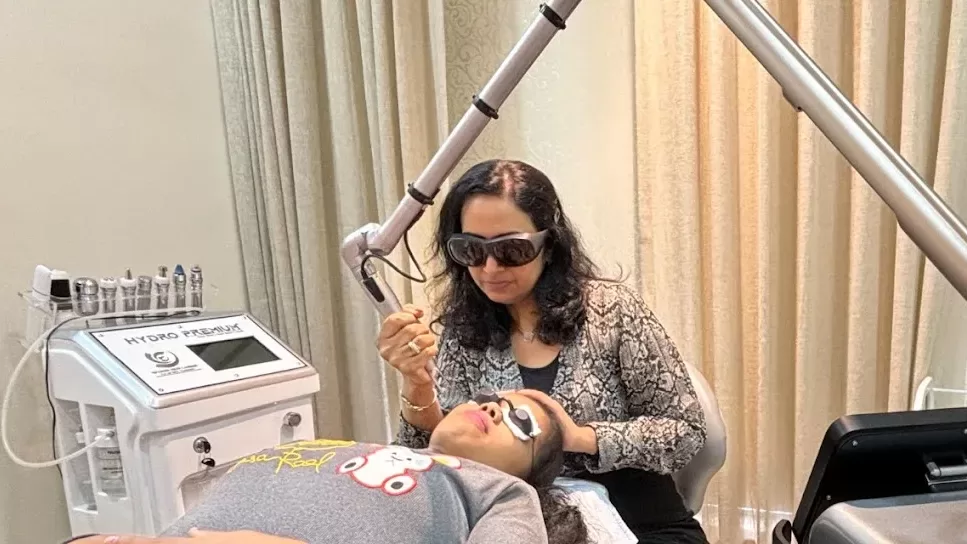
- See a dermatologist for a proper diagnosis. Clinical treatments like topical minoxidil, platelet-rich plasma therapy, low-level laser treatment, and targeted oral medications are proven interventions for androgenetic alopecia and hormonal hair loss. These work far more effectively when started early rather than after years of visible thinning.
Summary
A widening parting is not something you imagine or exaggerate. It is a real, measurable sign that something in your body or your daily habits needs attention. The women who do best are the ones who stop waiting for it to fix itself, get the right tests done, and speak to a dermatologist before the thinning progresses further. Hair thinning near the partition is almost always treatable when caught at the right time. The right time is always sooner than you think. Do not let one more morning at the mirror go by without doing something about it.